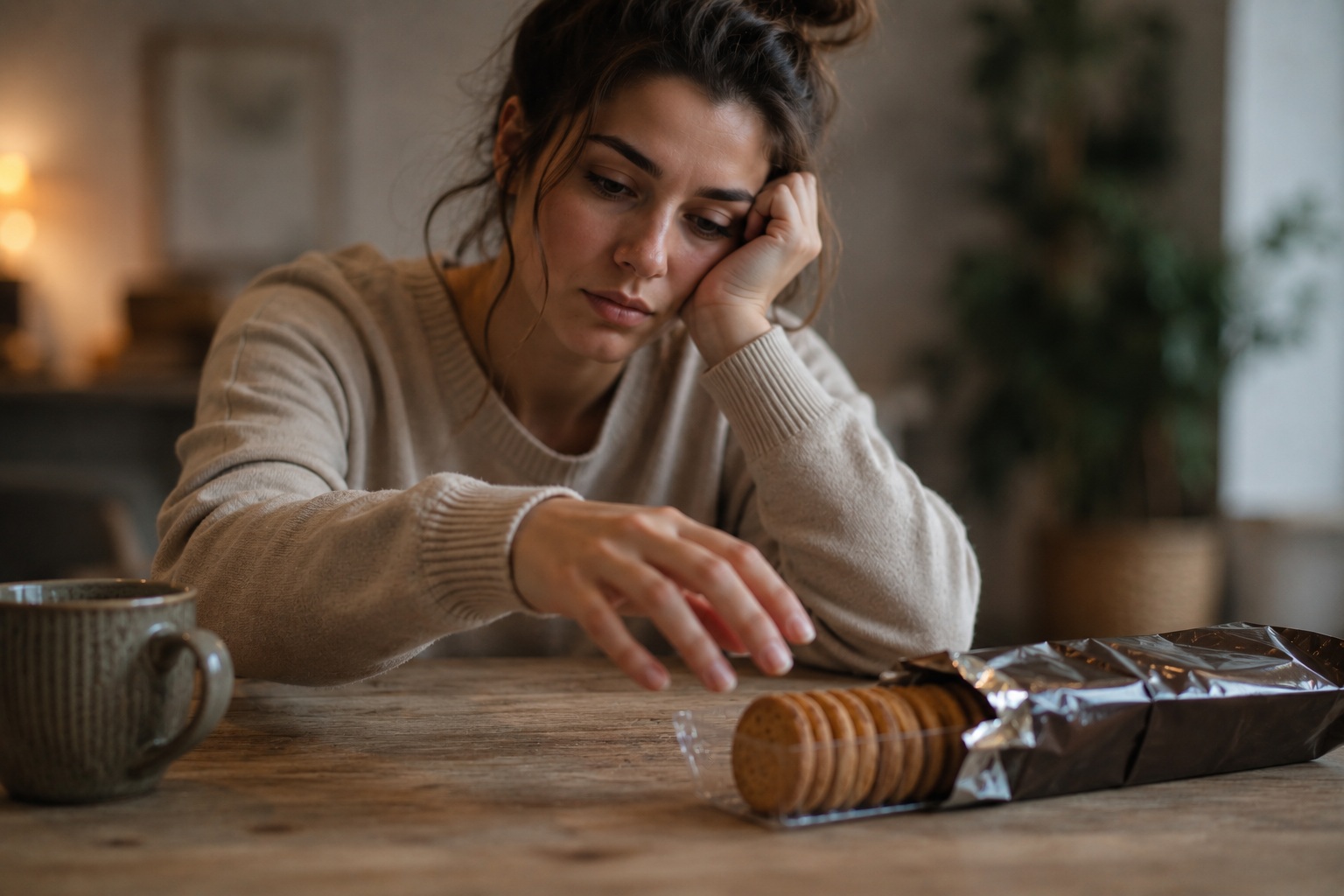
Many of us rely on coffee, tea or energy drinks to get through the day, but caffeine can stay in the body for many hours after consumption. Even if you can fall asleep after an afternoon coffee, it may still affect the depth and quality of your sleep.Poor quality sleep can leave us feeling tired, irritable and less able to cope with everyday pressures. Over time, that can contribute to increased feelings of stress and anxiety, which can then make it even harder to switch off at night.
In my 9 years of helping people with poor sleep and anxiety, caffeine consumption often shows up as being a potential contributor. This is not to say that caffeine is bad for everyone of course, there are lots of variables such as how much and when it is consumed.
At Paul Miller Hypnotherapy, I don’t just focus on the anxiety or sleep problem itself. I work with clients to explore the wider picture and identify other factors that may be contributing, such as caffeine intake, daily routines, stress levels, thought patterns and habits around sleep.
Sometimes, small changes alongside hypnotherapy can help make a meaningful difference to how calm, rested and in control we feel.
If anxiety or poor sleep is affecting your day-to-day life, I’d be happy to have a confidential, no obligation chat about how hypnotherapy may be able to help.
You can schedule one online here for a time that suits you.